SARILHOS GRANDES
De qué va este platillo
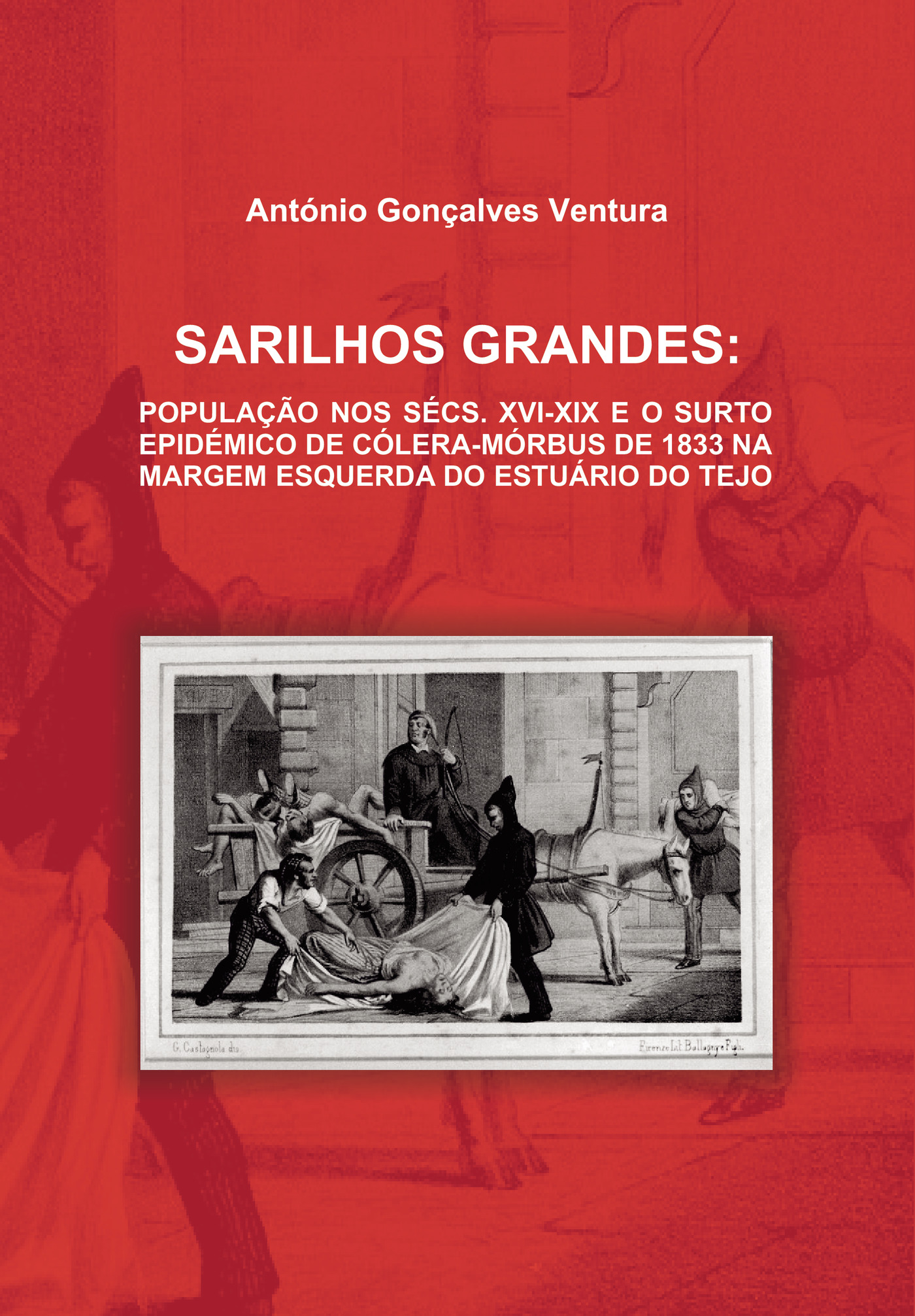
Sarilhos Grandes faz parte de um espaÛço mais vasto, a margem esquerda do estuário do Tejo, o qual funcionou durante séculos como um polo atrativo para gente proveniente de outras comarcas, nomeadamente das Beiras e do Norte do país. Por outro lado, trata-se de um espaÛço ribeirinho de onde parte significativa da populaÛçÛão residente com alguma experiÛªncia marítima ou com ambiÛçÛão de riqueza, participou no contingente que partiu para terras de além-mar na esperanÛça de conseguir melhores condiÛçÛões de vida, ou simplesmente emigrou, principalmente para o Brasil.A sua relativa ruralidade e o facto de nÛão ser local de passagem para o Sul do país, terá tido influÛªncia no retardar dos contágios e na antecipaÛçÛão do seu afastamento por se tratar de um lugar de menor circulaÛçÛão de pessoas.As pestes mais frequentes e que produziram efeitos mais dramáticos nas populaÛçÛões foram a peste bubónica, a difteria, febre tifoide, sarampo, escarlatina, pneumonia e a tuberculose, ao que se juntam as posteriores epidemias de cólera e outras doenÛças infeciosas, ceifando a vida a milhares de pessoas, nomeadamente nas povoaÛçÛões ribeirinhas da margem esquerda do estuário do Tejo, como sucedeu com a cólera-mórbus de 1833 tratada neste volume.Para além da doenÛça em si, estes surtos epidémicos provocavam também o pÛânico e fuga de muitas pessoas tentando evitar o terror do contágio. Como só os mais abastados e a realeza tinham o privilégio de se refugiar em locais mais protegidos, os mais frágeis ficavam entregues a si próprios, restando-lhes rezar para que nÛão fossem atingidos pelo flagelo. Como dizia Hipócrates, fugir cedo para longe e voltar tarde. Assim fazia a família real sempre que as pestes assolavam a capital.___________________________________________________________Sarilhos Grandes is part of a broader area, the left bank of the estuary of the Tagus River. For centuries, this bank was an attractive spot for people from other districts, namely from the Beiras and from the North of the country. On the other hand, it is a zone close to the river from where a significant part of the resident population with some sea expertise or ambition for wealth took part in the contingent that set off to lands overseas, in the hopes of finding better living conditions or who simply wanted to emigrate, mainly to Brazil. Its relative rurality and the fact of not being a crossing point to the South of the country must have had its influence in delaying the spread of the infections and in anticipating its withdrawal, as it was a place with less movement of people.The most frequent plagues, and the ones that produced the most dramatic effects on the populations, were the bubonic plague, the diphtheria, the typhoid fever, the measles, the scarlatina, the pneumonia and the tuberculosis, compounded by the subsequent epidemics of cholera and other infectious diseases that reaped the lives of thousands of people, namely the ones living in the riverfront of the left bank of the estuary of the Tagus River, as was the case with the cholera morbus from 1833 that is addressed in this book.Apart from the disease, these epidemic outbreaks also instigated the panic and the flight of many who tried to avoid the terror of the spread of the infection. Since only the wealthiest and the royalty had the privilege of taking refuge in safer places, the most vulnerable were left to their own and to their prayers that they wouldnt be affected by the scourge. Like Hippocrates said, we must runaway to faraway early and come back late. That was what the royal family did every time a plague devastated the capital city.
La receta
| Editorial | Euedito |
|---|---|
| Materia (Thema) | Biografías, literatura y estudios literarios |
| ISBN | 9789899152298 |
| Idioma | Portugués |
| Año | 2023 |
| Origen | Portugal |
| Páginas | 374 |
| Tamaño | 16 × 23 cm |
| Peso | 536 g |
| Disponibilidad | En mesa |